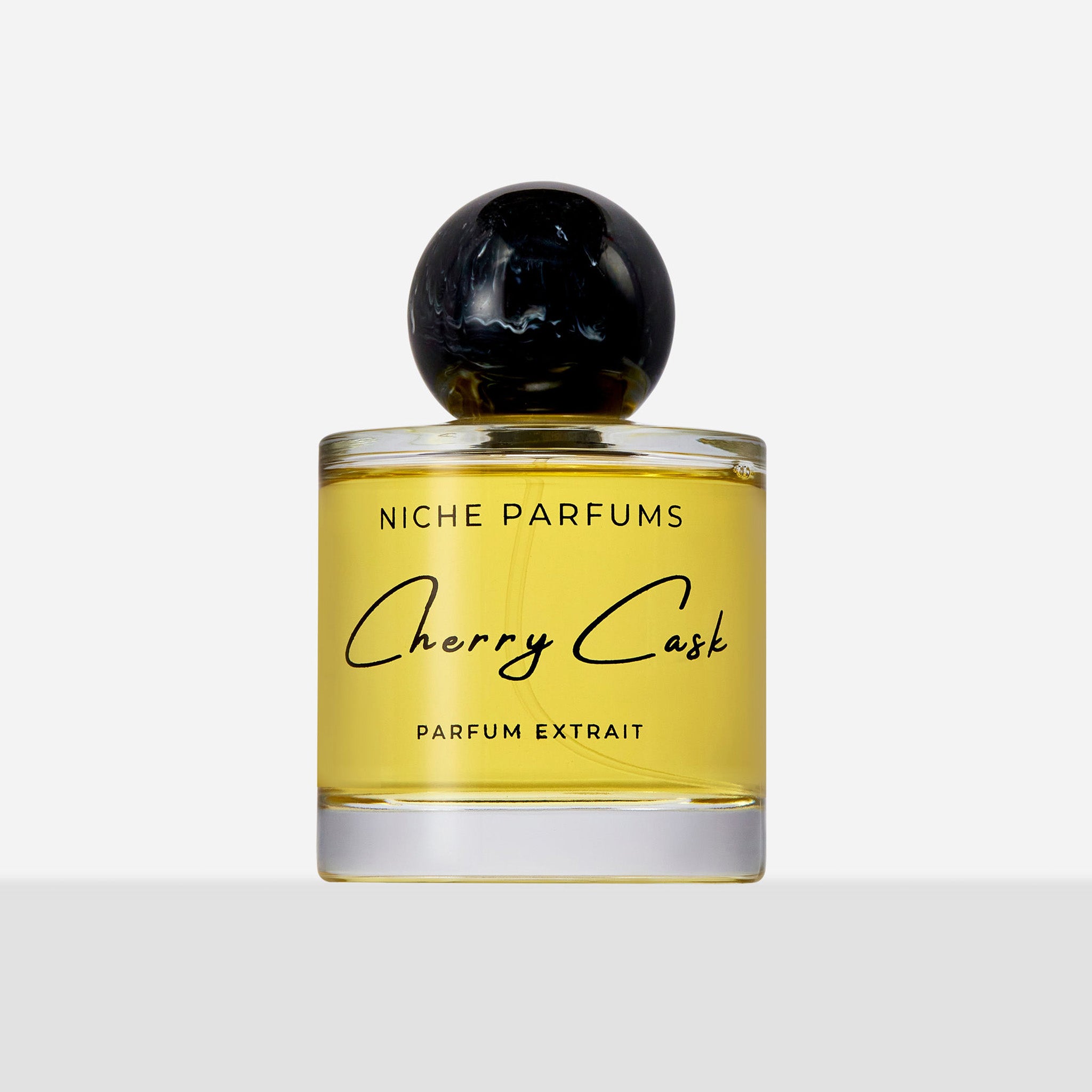
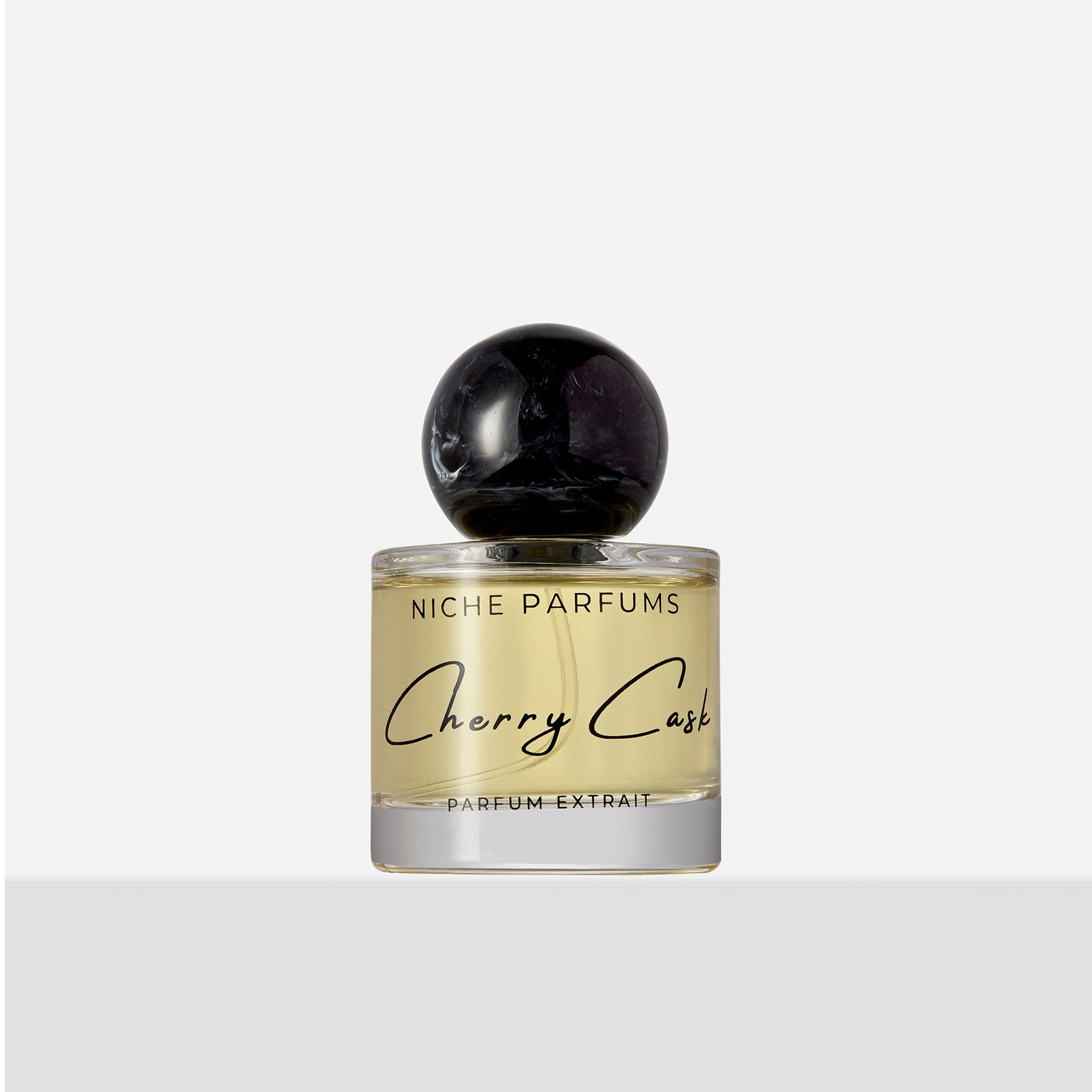
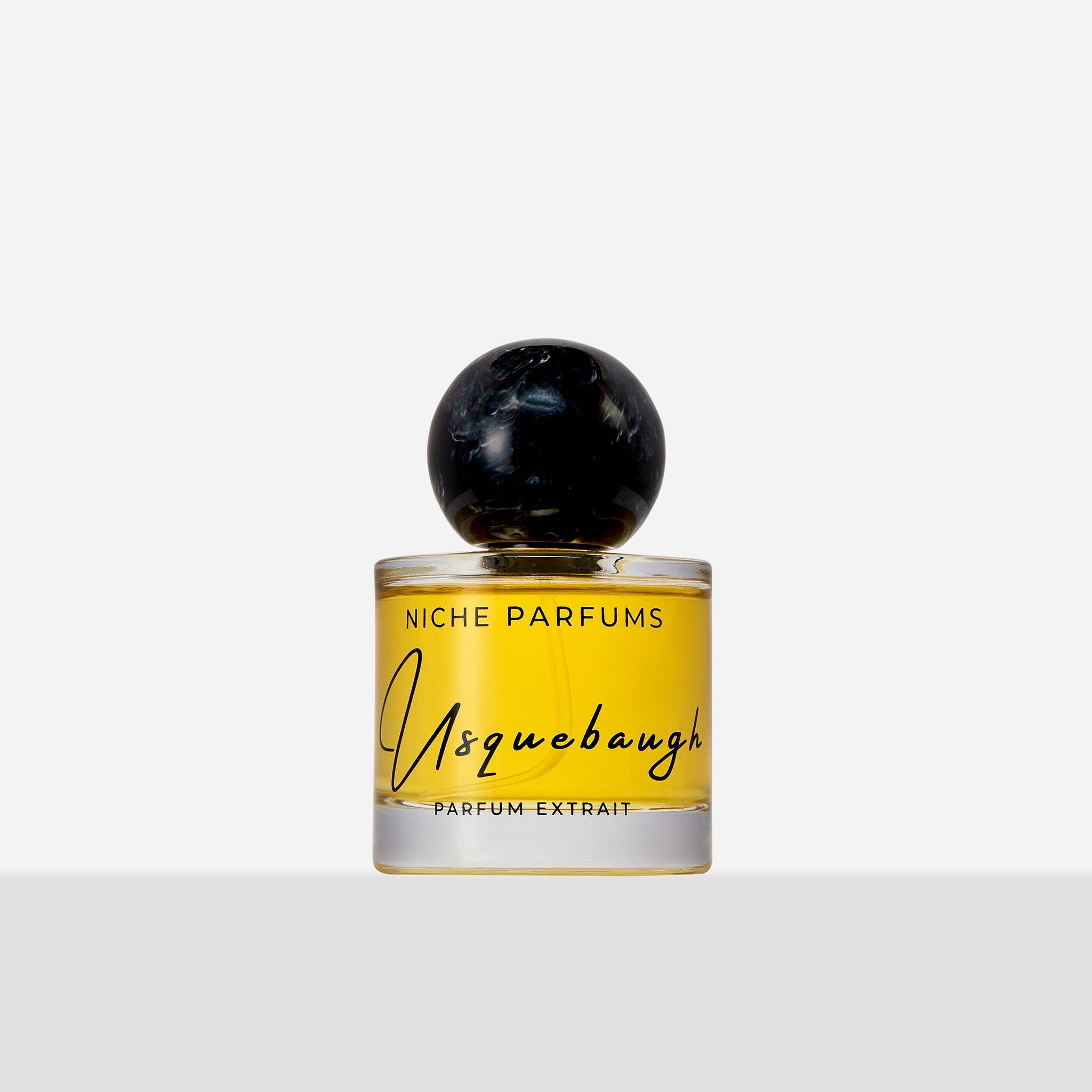
Whiskey has long been celebrated for its rich history, complex aroma, and deep cultural roots. But beyond its place in the distillery, whiskey has become one of the most intriguing and luxurious fragrance notes in modern perfumery.
To understand how whiskey entered the world of scent, we look back to its origins in the misty hills of Ireland and the Highlands of Scotland, where the spirit first emerged in the 16th century. Over the centuries, whiskey evolved across America, Japan, and Canada with each region shaping distinctive aromatic profiles that now inspire niche fragrances worldwide.
The craftsmanship behind whiskey—transforming humble grains into something warm, complex, and timeless—mirrors the very essence of perfumery. Much like distillers, perfumers work with precision, artistry, and an intimate understanding of raw ingredients to create evocative sensory experiences.
Why Whiskey Emerging in Modern Perfumery
Whiskey is no longer just a drink; it has become a sought-after fragrance note in niche, artisan, and luxury perfumes. It's warm, enveloping scent profile makes it ideal for:
- Gourmand fragrances
- Smoky or woody compositions
- Evening and winter perfumes
- Unisex scents
Unlike traditional woods or ambers, whiskey brings an added layer of boozy warmth, gourmand sweetness, and emotional depth that evoke a mood, memory and place.
Can Whiskey Be Used as a Perfume Ingredient?
A common question among fragrance lovers is: “Can perfumers extract the scent of actual whiskey?”. The answer is no. Whiskey cannot be distilled into a natural perfume ingredient. Instead, perfumers create a whiskey accord that carefully constructs a blend that replicates the aromatic signature of aged whiskey. To achieve a realistic whiskey scent, perfumers rely on:
- Oakwood absolute (inspired by whiskey barrels)
- Smoky notes (birch tar, cade oil)
- Gourmand notes (vanilla, caramel, tonka)
- Warm spices
This allows the perfume to capture the essence of whiskey, its warmth, sweetness, and woodiness, while offering a more artistic and controlled interpretation.
What Does Whiskey Smell Like in Perfume?
Whiskey in perfumery carries a distinct and luxurious olfactive profile. It is typically: warm and woody, slightly sweet, rich with vanilla and caramel undertones or infused with toasted oak or smoky nuances.
The scent suggests intimate spaces: leather armchairs, polished wood, dim lights, and refined evenings. Because of this, whiskey adds depth, sensuality, and sophistication to many modern fragrances.

Types of Whiskey Accords in Perfumery
Perfumers use whiskey accords to add to warmth and sweetness, woody sophistication, seductive spice and modern contrast to various type of fragrance profiles
1. Bourbon Accord: Sweet & Comforting
A warm, indulgent accord built on vanillin, tonka bean, caramel, benzoin, and oakwood. Cozy and smooth, it suits sweet-woody fragrances, evening scents, and winter perfumes.
2. Scotch Accord: Smoky & Refined
Defined by birch tar, cade oil, vetiver, and marine nuances, the Scotch accord adds a mature, smoky edge. Ideal for dark aromatics and smoky-wood compositions.
3. Irish Whiskey Accord: Soft & Creamy
With milk nuances, soft vanilla, and gentle woods, this accord is light, smooth, and easy to wear. Perfect for creamy woods and soft gourmands.
4. Rye Whiskey Accord: Spicy & Lively
Cinnamon, clove, nutmeg, cardamom, and warm woods give this accord its energetic heat. A natural fit for spicy orientals and warm aromatic scents.
Why Boozy Notes Work Beautifully in Niche Perfumery
Whiskey is especially beloved in niche perfumery because it embodies character, richness, artistic complexity and a sense of place and storytelling. Whiskey-inspired fragrances feel personal and immersive. Inviting wearers into a world of warmth, reflection and sensory indulgence. For Niche Parfums, whiskey fragrances represent a philosophy of crafting fragrances that transform raw ingredients into emotional, evocative scent experiences.